

Signing of a Memorandum of Understanding (MoU) with the SWG RRD for agriculture and rural development in South Eastern Europe
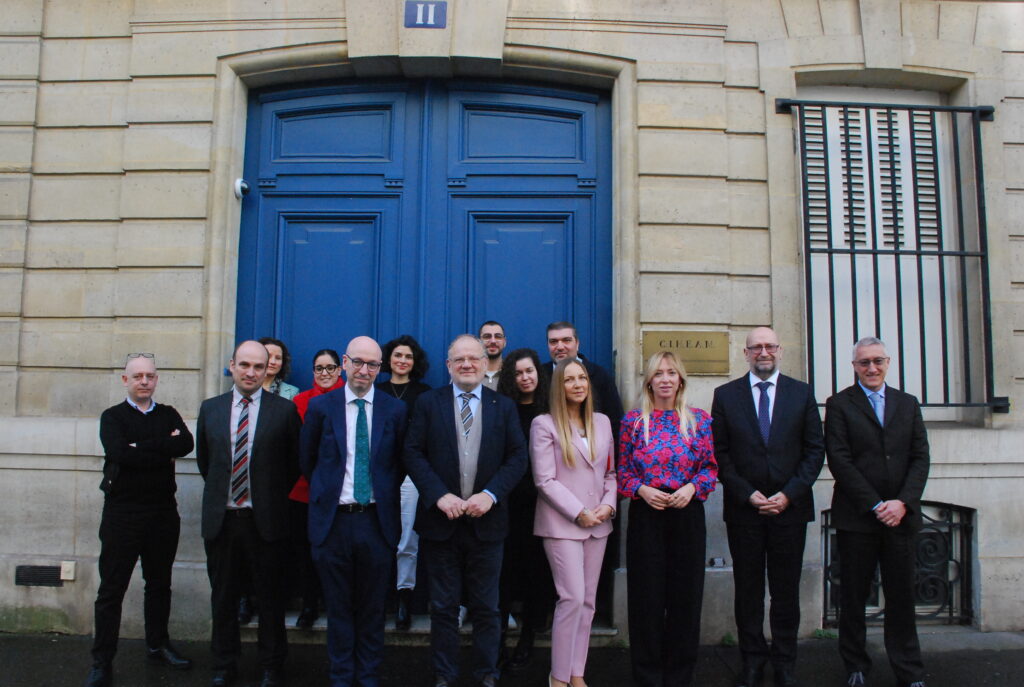
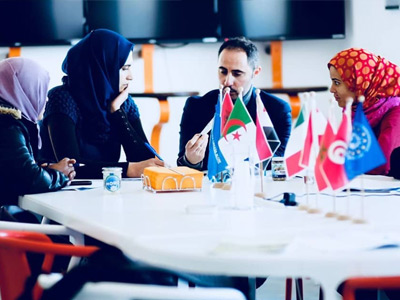
Paris, February 23, 2026. The Secretary General of the Regional Rural Development Standing Working Group in South Eastern Europe (SWG RRD), Boban Ilic, the Secretary General of the CIHEAM, Teodoro Miano, and the President of the CIHEAM Governing Board, Frida Krifca, met this morning at the CIHEAM General Secretariat offices in Paris to formalize a new Memorandum of Understanding (MoU) between the two organizations.
This cooperation agreement, established for a period of 5 years, aims to strengthen joint actions in the key areas of agriculture, rural and economic development, environmental protection, as well as food safety and quality.
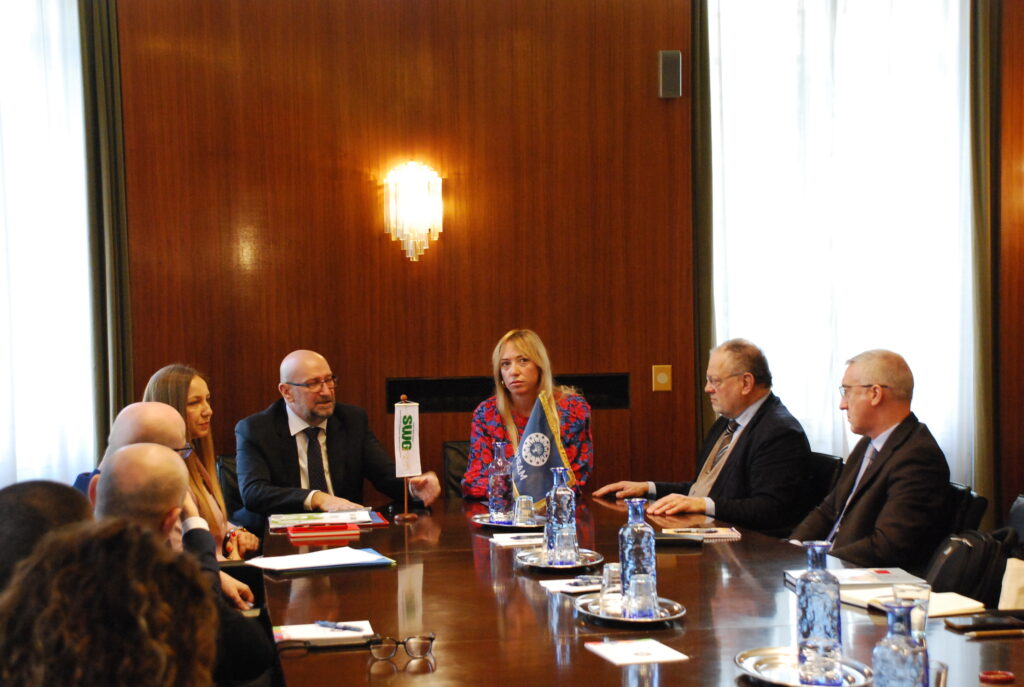
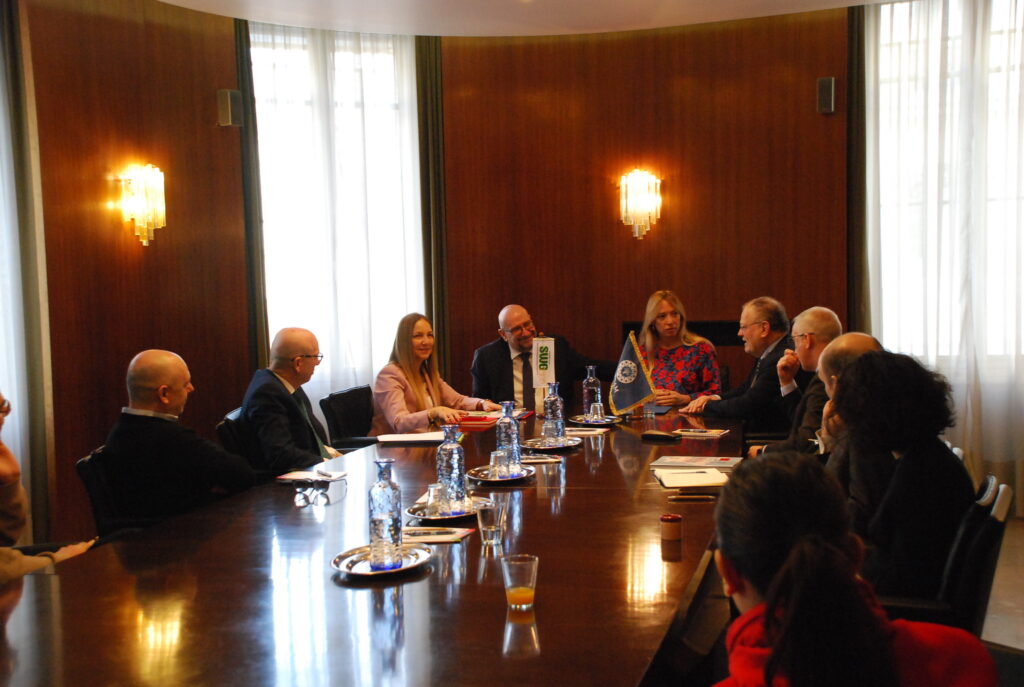
A strategic partnership to address Mediterranean and European challenges
As intergovernmental organizations, the CIHEAM and the SWG RRD are joining forces to address common sustainability challenges. They are committed to pooling their efforts to promote sustainable agricultural and rural development, while strengthening environmental protection in South Eastern Europe. The agreement will facilitate synergies in the development processes of rural regions.
The integration of the Western Balkans and Moldova at the heart of the agenda
A major priority of this protocol is to support the enlargement and the integration of the Western Balkan countries and territories, as well as Moldova, within the CIHEAM on a multilateral basis. To support this process, the SWG RRD will play a central role by acting as a coordination hub for these countries.
A Legacy of Historical Ties and Sustainable Cooperation with South Eastern Europe
CIHEAM maintains a long-standing historical relationship with South Eastern Europe. Yugoslavia was among the founding states of the Center upon its establishment in 1962. Since the dissolution of the former Yugoslavia, its successor states—including members of the SWG RRD—have remained active partners of the CIHEAM through high-level events, specialized training programs, and field-level rural development initiatives.
Concrete actions for training and youth
In order to translate this political will into tangible results, the two institutions will deploy a panel of initiatives focused on capacity building and knowledge transfer. Key actions include:
- The provision of scholarships specifically designed for students from the Western Balkans and Moldova.
- The joint creation and promotion of agricultural and rural development programs for the Western Balkan countries/territories and Moldova.
- The identification, planning, and implementation of transnational projects.
- The co-organization of educational activities and study visits.